Mastering the art of bluffing in casino poker
Understanding the Psychology of Bluffing
Bluffing is a fundamental tactic in poker that hinges significantly on the psychological aspects of the game. To bluff effectively, one must not only comprehend the strength of their own hand but also gauge the perceptions and emotions of their opponents. The essence of bluffing lies in convincing others that your hand is stronger than it truly is. This requires a keen awareness of how players react to different betting patterns and body language, especially when participating in games like neosurf casino where stakes can be high. By recognizing these signals, a player can exploit weaknesses and strategically call bluffs in return, creating a dynamic interplay at the table.
The concept of “table image” plays a crucial role in bluffing strategies. A player known for aggressive betting could successfully bluff without raising eyebrows, as opponents may already perceive them as someone who frequently bets high. For instance, a player who has established themselves as conservative may trigger suspicion with a sudden large bet, which may lead to calls rather than folds. Understanding how to manipulate your table image, and how opponents perceive you, is essential for successful bluffing. Whether you’re seen as a risk-taker or a cautious player will shape how your opponents react, thus increasing your chances of successful bluffs.
Moreover, timing is crucial in bluffing. Certain situations offer more favorable conditions for a successful bluff than others. For instance, bluffing in a late position can yield better results than early in the hand, as it allows for a clearer read on opponents’ actions and reactions. When players are more likely to fold after witnessing a weaker board, this creates an opening for a well-timed bluff. Hence, mastering situational awareness combined with an understanding of psychological manipulation can significantly enhance one’s bluffing abilities, making it a vital component of a winning poker strategy.
Identifying the Right Moments to Bluff
Effective bluffing in poker isn’t merely about the act itself; it’s about choosing the right moments to execute it. A successful bluff often occurs when the community cards present logical possibilities that align with the bluffing player’s narrative. For example, if the community cards suggest a potential flush or straight, a player can represent a stronger hand simply by making a sizeable bet. It’s crucial to analyze the board and project a persona that matches the scenario, thereby convincing opponents to fold their hands and relinquish the pot without contest.
Additionally, observing table dynamics is critical for identifying optimal bluffing opportunities. If a player is overly aggressive and has recently lost a substantial pot, they might be more inclined to fold under pressure. Understanding your opponents’ moods and their current chip stacks can provide valuable insights into when bluffing could be most effective. This level of awareness can turn the tide in a poker game when combined with a strategic approach to bluffing, allowing you to capitalize on the psychological state of your opponents.
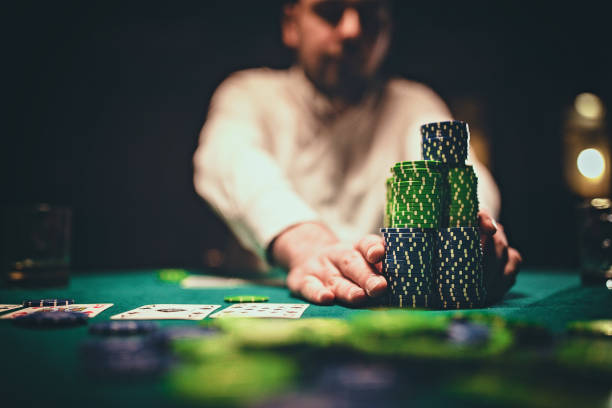
It is also essential to distinguish between strategic bluffs and desperate ones. Strategic bluffs arise from a position of strength, where you can dictate the game’s pace and pressure your opponents. In contrast, desperate bluffs often come from being cornered and feeling the need to make a play. Identifying the difference between these two types helps maintain a player’s credibility at the table. Successfully executed strategic bluffs yield greater returns and can enhance a player’s reputation, ultimately increasing their potential for future plays in the game.
The Mechanics of a Successful Bluff
The mechanics of a successful bluff involve several key elements: confidence, consistency, and awareness. Confidence plays a significant role in convincing your opponents that you hold a strong hand. When betting, your demeanor and the strength of your voice can greatly influence how opponents perceive your confidence level. A shaky voice or uncertain body language can undermine the bluff, leading to calls rather than folds. Therefore, mastering composure during the bluffing process is crucial; maintaining an air of certainty can make all the difference.
Consistency in your betting patterns is equally important. Players are quick to notice deviations from normal betting behavior. If a previously tight player suddenly makes an unusually large bet, opponents will likely become suspicious and may call your bluff. Therefore, maintaining a consistent strategy, even when bluffing, is key. This creates a façade that makes your bets more believable, thereby increasing the chances of a successful bluff and fostering a more unpredictable game environment.
Lastly, awareness of the overall game flow cannot be overstated. The dynamics at the table change continuously based on players’ behaviors, chip counts, and even their emotional states. A successful bluff takes these factors into account, adjusting rapidly based on the table’s atmosphere. Having an adaptable mindset allows for quick strategic shifts, keeping you a step ahead in the game. This combination of confidence, consistency, and awareness creates a powerful trifecta for mastering the art of bluffing, allowing players to navigate complex situations with finesse.
Common Mistakes in Bluffing
Even seasoned players can fall prey to common pitfalls when attempting to bluff. One significant mistake is over-bluffing, which can lead to predictability. While bluffing can be a strong strategy, doing so too often can cause opponents to call your bluffs without hesitation. This phenomenon, known as being “caught in a bluff,” can deplete a player’s chip stack and damage their overall table image. Striking the right balance between bluffs and genuine strong hands is essential for sustained success and the ability to keep opponents guessing.

Another prevalent mistake arises from misreading situations and opponents. Just because a player has a weak hand does not mean they will always fold. Experienced players may call your bluff out of sheer confidence in their hand or as a strategic move to gather information on your betting patterns. Failing to accurately assess the other players can lead to ill-timed bluffs that result in significant losses. Understanding the tendencies and behaviors of opponents is crucial for effective bluffing.
Lastly, neglecting the concept of pot odds can hinder bluffing effectiveness. Understanding when the odds are in your favor is critical for making informed decisions. If the pot is small and the cost of calling your bluff is minimal, opponents may be more inclined to call you out. Failing to consider these mathematical aspects can lead to emotional decisions rather than strategic ones, often resulting in unsuccessful bluff attempts. A solid grasp of pot odds can significantly improve a player’s ability to bluff effectively.
Conclusion: Elevating Your Poker Game Through Bluffing
Mastering the art of bluffing in poker not only elevates your gameplay but also transforms the way you interact with opponents. Effective bluffing strategies hinge on psychological nuances, situational awareness, and the ability to read both the table and individual players. By honing these skills, players can create a distinct edge in their poker games, influencing outcomes to their favor and enhancing their overall experience at the table.
Moreover, embracing the nuances of timing, mechanics, and common pitfalls further deepens a player’s understanding of bluffing as a skill. It’s an art form that transcends mere luck or chance; it requires deliberate thought, strategy, and practice. As players integrate these lessons, they will find themselves not only improving their game but also gaining respect at the table as formidable opponents who can adapt and strategize effectively.
To deepen your understanding and enhance your poker skills, consider exploring a variety of resources dedicated to poker strategies and techniques. These resources will provide you with comprehensive knowledge, allowing you to refine your bluffing techniques and overall gameplay. With continuous learning and practice, you can master the art of bluffing and dominate the poker tables with confidence and skill, ensuring a rewarding and engaging experience in your poker endeavors.